

Z TECHNOLOGY PROVIDE A PLATFORM IN
EDUCATION WITH NOMANI ACADEMY

NOMANI ACADEMY START THE PROGRAM FOR
NTA-UGC- NET CRACK EXAMINATION
HURRY UP!…….

NOMANI ACADEMY FREQUENTLY LAUNCHES NEW SECTION BATCHES
AND START THE PROGRAMME FOR 6th /7th/8th/9th/11th/12th/ NEET AND UGC_NEET
HURRY UP !……...

Artificial intelligence:
is a branch of computer science that builds systems capable of performing tasks that typically require human intelligence, such as learning, reasoning, and problem-solving

What is AI in education used for today?
AI personalization tools track student progress and suggest specific resources. It changes how hard a task is while the student is working. This approach challenges faster learners and supports students who struggle.
Example
Two students in the same math class get different practice questions. One works on geometry logic because they are ahead. The other reviews basic angles because they need more practice.
Cyber Security>

Cybersecurity basics help small businesses protect their websites, data and customers from common threats like malware, ransomware and phishing.
Why is cyber security important?
Cybersecurity is essential for safeguarding personal, financial, and institutional data against theft, damage, and unauthorized access
Why study cyber security?
Learning cybersecurity is essential for safeguarding your personal identity, finances, and private data from increasingly sophisticated digital threats, such as phishing and ransomware
Machine Learning
WHAT IS MACHINE LEARNING?
Machine Learning, often abbreviated as ML, is a subset of artificial intelligence (AI) that focuses on the development of computer algorithms that improve automatically through experience and by the use of data. In simpler terms, machine learning enables computers to learn from data and make decisions or predictions without being explicitly programmed to do so.
THE IMPORTANCE OF MACHINE LEARNING-
In today’s digital landscape, data fuels every major industry, and machine learning is the engine that powers this data-driven world. It is a critical technology in today’s digital age, and its importance cannot be overstated. This is reflected in the industry’s projected growth, with the US Bureau of Labor Statistics predicting a 20% growth in computer and information research scientist jobs between 2024 and 2034, far outpacing the average for all occupations
Digital Marketing>
What Is Digital Marketing?
Digital Marketing is a simply the process of promoting and selling products or services
using the Internet and Electronic device.
It is the digital Version of traditional Marketing,reline on of few primary methods.
SEARCH ENGINE OPTIMIZATION[SEO]
SOCIAL MEDIA CONTENT
CONTENT MARKETING
EMAIL MARKETING
PAD ADVERTISING
COMPUTER
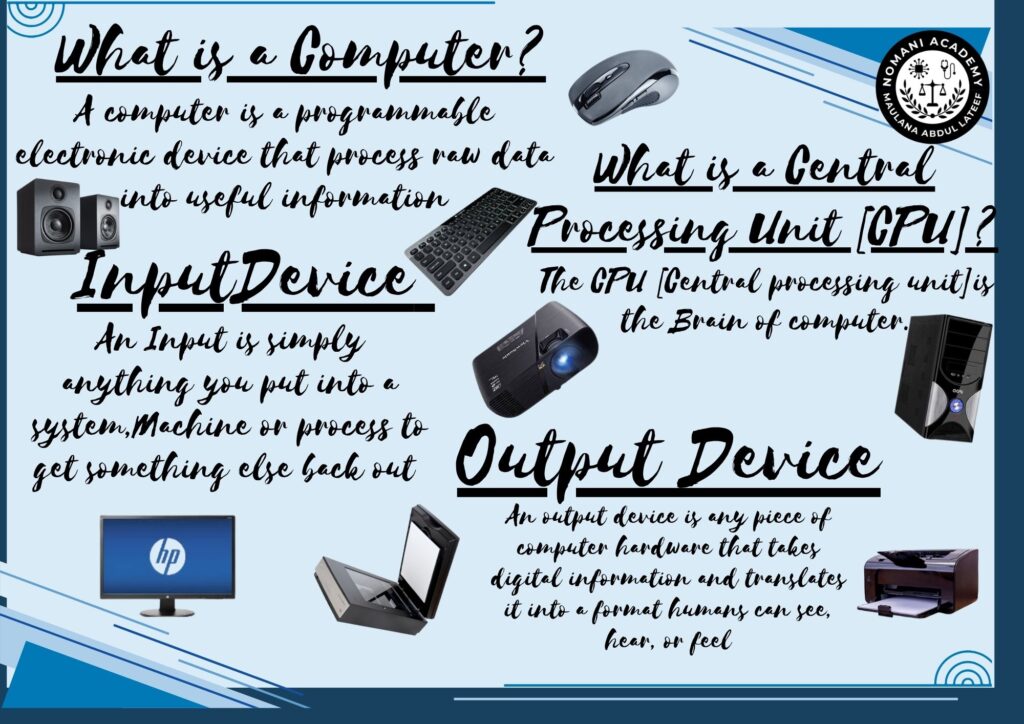
What is the Computer?
A computer is an electronic machine that takes raw data as input, processes it using a set of instructions (programs), and produces the result as an output
What is a Central Processing Unit {CPU}?
A central processing unit (CPU) is the primary functional component of a computer. The CPU is an assemblage of electronic circuitry that run a computer’s operating system and apps and manage a variety of other computer operations.
What is an Input Device?
An input device is any hardware component that sends data to a computer. It acts as a bridge, allowing you to interact with, control, and feed instructions into your device.
EXAMPLE–:
Keyboard, Mouse / Touchpad ,Microphone ,ETC
What is an Output Device?
Output devices are hardware components that translate digital data processed by a computer into human-perceptible forms, such as text, audio, video, or physical documents
EXAMPLE–:
Monitors, Printers, Speakers, Headphones, ETC
E-WASTE MANAGMENT
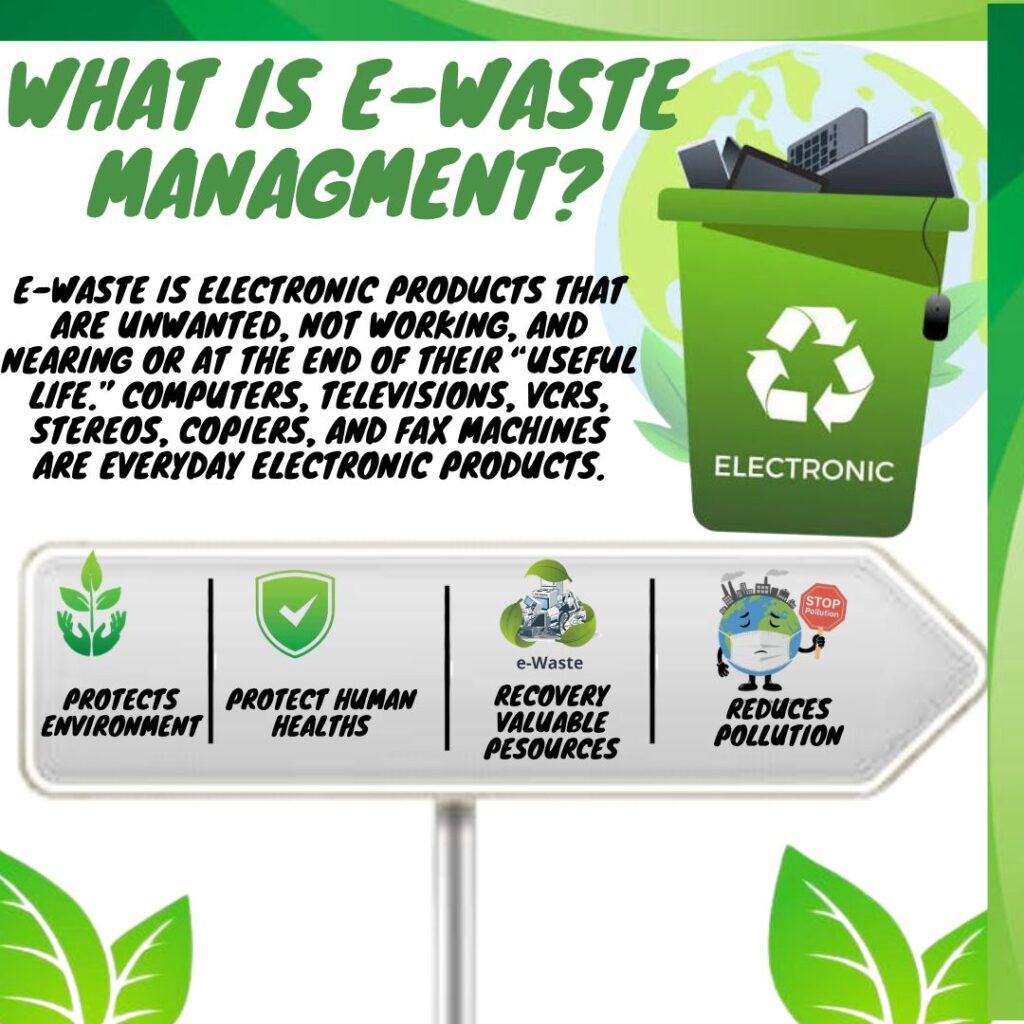
What is E-waste?
E-waste is a term used to describe electronic devices that are no longer in use, have become obsolete, or are at the end of their useful life. E-waste includes a broad range of electronic devices, including computers, laptops, smartphones, tablets, televisions, printers, and other household appliances. These devices contain valuable and hazardous materials that can cause harm to the environment and human health if not disposed of properly.
Why E-waste Management is Important?
In today’s digital age, electronic devices have become a basic part of our lives. From smartphones and laptops to televisions and refrigerators, we depend on these gadgets for communication, entertainment, and convenience.
However, with the fast advancement of technology, the lifespan of electronic devices has significantly decreased, leading to a huge electronic waste problem.
In today’s world, technology has become an essential part of our daily lives. We use electronic devices for almost everything we do, from work to entertainment, and communication to education. However, with the rapid advancement of technology, a new problem has emerged – E-waste. In this article, we will define what E-waste is and explain why it is essential to address this issue.

As technology advances, electronic devices have become an indispensable part of our lives. However, with the increasing use of electronic devices comes the problem of electronic waste or e-waste. E-waste refers to electronic devices or equipment that have reached their end-of-life, become obsolete, or are no longer useful. These devices are often disposed of in landfills, posing significant environmental and health risks. Understanding the different types of e-waste can help us better manage and recycle these devices. Here are some of the most common types of e-waste:
Computers and Laptops
Computers and laptops are among the most commonly used electronic devices, and they can quickly become outdated or break down. These devices contain toxic materials such as lead, mercury, and cadmium, which can cause severe environmental damage if not disposed of correctly.
Mobile Devices
Mobile devices such as smartphones and tablets are ubiquitous in our daily lives. While they are smaller than computers and laptops, they still contain toxic materials such as lead and mercury. Moreover, their frequent replacement and upgrades contribute significantly to the e-waste problem.
Televisions and Monitors
Televisions and computer monitors contain cathode ray tubes (CRTs) that contain lead, which is hazardous to human health and the environment. With the rise of flat-screen displays, old CRTs are often discarded, leading to a significant amount of e-waste.
Appliances
Household appliances such as refrigerators, air conditioners, and washing machines contain electronic components that can become e-waste. These devices are challenging to recycle, as they often contain hazardous refrigerants, oils, and gases.
LITHIUM-ION BATTERIES

How to Recycle Lithium-Ion Batteries to Reduce E-Waste
Lithium-ion batteries power our modern world, from smartphones and laptops to electric vehicles and renewable energy storage systems. But in the same wave of increasing dependence on such energy sources, there also arises an equal concern: what happens once the batteries themselves have reached the end of their lifecycle? Improper disposal of lithium-ion batteries contributes strongly to electronic waste, which poses environmental hazards as well as increased safety risks. Recycling these batteries is a critical step toward reducing e-waste and conserving valuable resources. This blog explores why recycling lithium-ion batteries matters, how the process works, and what individuals and organizations can do to contribute to a sustainable future.
Why Recycling Lithium-Ion Batteries is Crucial
Lithium-ion contains materials such as lithium, cobalt, nickel, manganese, and graphite, which are limited in reserves. Extracting these materials requires mining, an energy-intensive process, usually damaging ecosystems, contributing to greenhouse gas emissions, and social and ethical concerns in mining communities. Recycling can decrease demand for virgin material and associated environmental impact.
Besides, lithium-ion batteries are dangerous if they are sent to the garbage, as they may be prone to catching fire or explosion owing to residual charge. Also, e-waste including the toxic chemicals inside can leach into soil and water, harming both ecosystems and human health.
How Lithium-Ion Recycling of Batteries Helps in Reducing E-Waste
The problems for which recycling of lithium-ion batteries is relevant include:
Resource Recovery: Recoverable metals such as cobalt, nickel, and lithium are recovered and reused in other new batteries or applications.
Waste Reduction: Recycling reduces the amount of hazardous materials that end up in landfills or incinerators.
Energy Savings: More energy is saved in making new batteries from recycled materials than if raw resources were used.
Environmental Protection: Proper recycling ensures toxic substances do not contaminate the environment.
The Lithium-Ion Battery Recycling Process
Recycling lithium-ion batteries takes more than a few steps. Sorting of useful extractable materials and dangerous materials must be undertaken to the highest safety standards.
- Collection and Transportation
The first step is the collection of used batteries and transportation to the recycling plant. Specialized containers are used to avoid accidents such as short circuits, fires, or leaks during transport.
- Sorting and Disassembly
The facility sorts the batteries by chemistry and size. Lithium-ion batteries differ in type-most are cylindrical cells in construction, commonly found in power tools, while others are pouch cells in smartphones. At some facilities, workers manually disassemble the batteries to separate casings, electrodes, and separators.
- Pre-Treatment
The pre-treatment entails shredding or dismantling the batteries to unveil internal components. In some cases, the batteries freeze to prevent combustion before shredding.
- Material Recovery
The core materials are extracted using chemical, thermal, or mechanical methods.
Pyrometallurgy, or High-Temperature Processing: Smelting of batteries to extract metals such as cobalt, nickel, and copper. This method requires huge amounts of energy and may give off emissions.
Hydrometallurgy, or Chemical Leaching: Metals are dissolved in a solvent and separated and purified. This is more efficient and less dangerous for the environment.
Direct Recycling: This emerging technology preserves the battery’s cathode materials, allowing them to be reused without extensive processing.
- Refining and Reuse
Recovered materials are refined to meet industry standards and sold to manufacturers, often for use in new batteries.
Challenges in Lithium-Ion Battery Recycling
Despite its benefits, lithium-ion battery recycling faces several challenges:
Complexity: Lithium-ion batteries contain multiple materials and chemistries, making it difficult to standardize recycling processes.
Economic Feasibility: For any battery containing low cobalt, recycling costs outweigh the value of recovered materials.
Collection Infrastructure: Drop-off locations are scarce, and consumers are not informed about where to take or drop off the batteries.
Safety Issues: Lack of proper handling during collection or processing could result in fires or chemical exposure.
How to Recycle Lithium-Ion Batteries A Step-by-Step Guide to Consumers
As a consumer, we can actually help in reducing e-waste by recycling lithium-ion batteries appropriately. Here’s how:
- Identify Recyclable Batteries
Check the product labels or user manuals to identify whether your battery is lithium-ion. Common products include:
- Smartphones
- Laptops
- Power tools
- Electric vehicles
- Avoid Improper Disposal
Do not dispose of lithium-ion batteries in landfills or regular recycling bins. These may lead to fires or contamination in landfills.
- Find Recycling Programs
- Look for collection centers using:
- Retail stores (many electronics stores accept used batteries).
- Municipal e-waste collection programs.
- Companies or websites specialized in battery recycling.
- Prepare Batteries for Recycling
- Moisten and tape the terminals to avoid short circuits.
- Store batteries in a cool, dry place until you drop them off.
- Spread Awareness
Educate friends, family, and colleagues about recycling lithium-ion batteries and share resources that might make the process easier.
Corporate Responsibility in Battery Recycling
Organizations and producers play a very great role in managing e-waste. There are several things that can be done:
- Extended Producer Responsibility
Under EPR policies, manufacturers are responsible for the end-of-life handling of their products, including their batteries. This involves establishing take-back programs and ensuring proper recycling.
- Innovation in Design
Companies can design batteries to be recyclable, use less toxic materials, and be more easily disassembled.
- Recycling Infrastructure Investment
Investment in recycled infrastructure can support more advanced recycling technologies, including direct recycling, to make the process more efficient and less costly.
- Partnership with Recyclers
An organization could partner with a qualified recycling business that ensures the used lithium ion batteries are sent to them to ensure responsible disposal.
Future of Lithium Ion Batteries Recycling
The growth in the demand for lithium-ion batteries is accompanied by the need to do so sustainably. All engaged governments, businesses, and consumers must come together to develop a circular economy for their batteries; there should be a continuous reuse of the materials rather than getting them wasted. New technologies being developed include AI-powered sorting systems, direct recycling methods, and re-use applications for batteries to achieve this objective.

Conclusion
Lithium-ion battery recycling is essential as it will help cut the waste rate of e-wastes; it will help save natural resources and protect the environment. Understanding importance in taking the right action—whether as an individual, a business, or policymaker—should lead us to reduce environmental threats from these quite literally energizing devices. Let us convert the challenge of e-waste into an opportunity for a greener future.
CUSTOMER VALUE JOURNEY
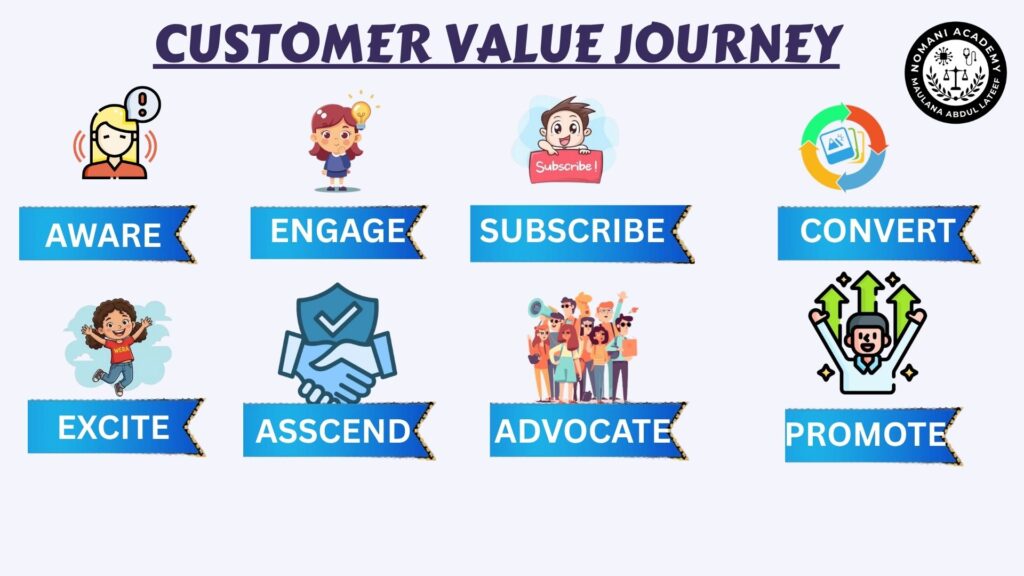
What is Customer Value Journey?
A Customer Value Journey is a visual representation of a prospect’s journey with the solutions you offer and how they progress to becoming a high-value customer.
If you’re reading this and you have a bit of experience in the world of Customer Experience, you’d probably be wondering “Hey, what is the difference between a Customer Value Journey and a common Customer Journey? The answer, while subtle, is very clear.
It usually gives priority to a successful relationship with customers. The latter involves much more than just the amount of sales that the customer represents or if they reach a certain level within our marketing funnel.
The journey naturally breaks down into 8 sample state..
- Awareness: The prospect discovers your brand exists.
- Engagement: They interact with your content, blog, or social media pages.
- Subscribe: They provide their contact information (e.g., an email address) to stay in touch.
- Convert: They make their first low-risk purchase or invest their time.
- Excite: Their first interaction with your product/service exceeds expectations.
- Ascension: They upgrade, buy higher-tier offerings, or purchase more frequently.
- Advocate: They become an active fan who recommends your brand to others.
- Promote: They actively market your brand (e.g., leaving reviews or joining referral programs).
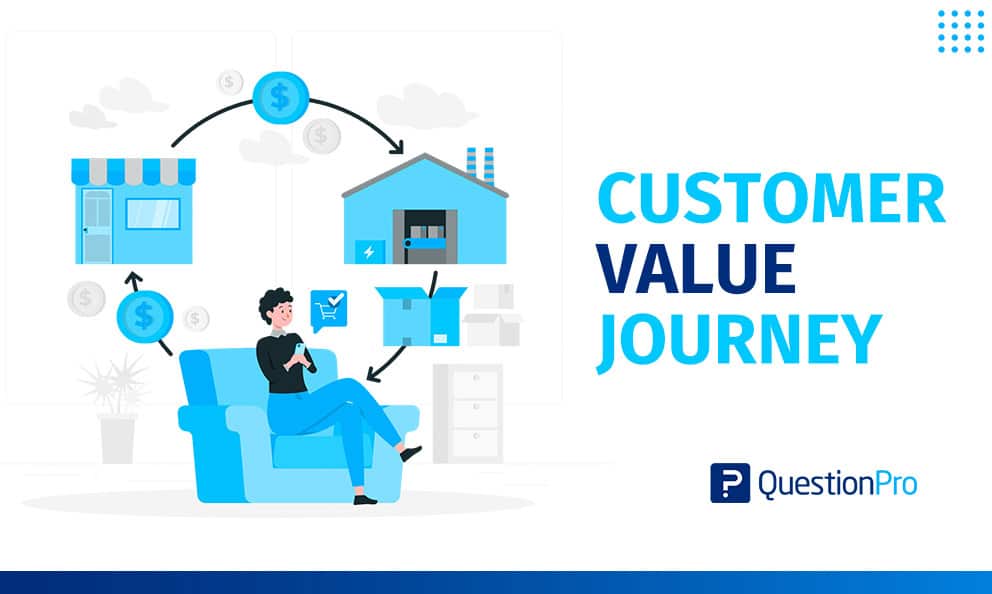
What the Value Journey matters?
Traditional marketing often views the customer lifecycle as a simple funnel that ends at the sale. The CVJ treats it as an ongoing relationship. By focusing on value-add interactions, you lower customer acquisition costs, increase Customer Lifetime Value (CLTV), and turn buyers into your most powerful marketing asset.
E-COMMERCE BUISNESS
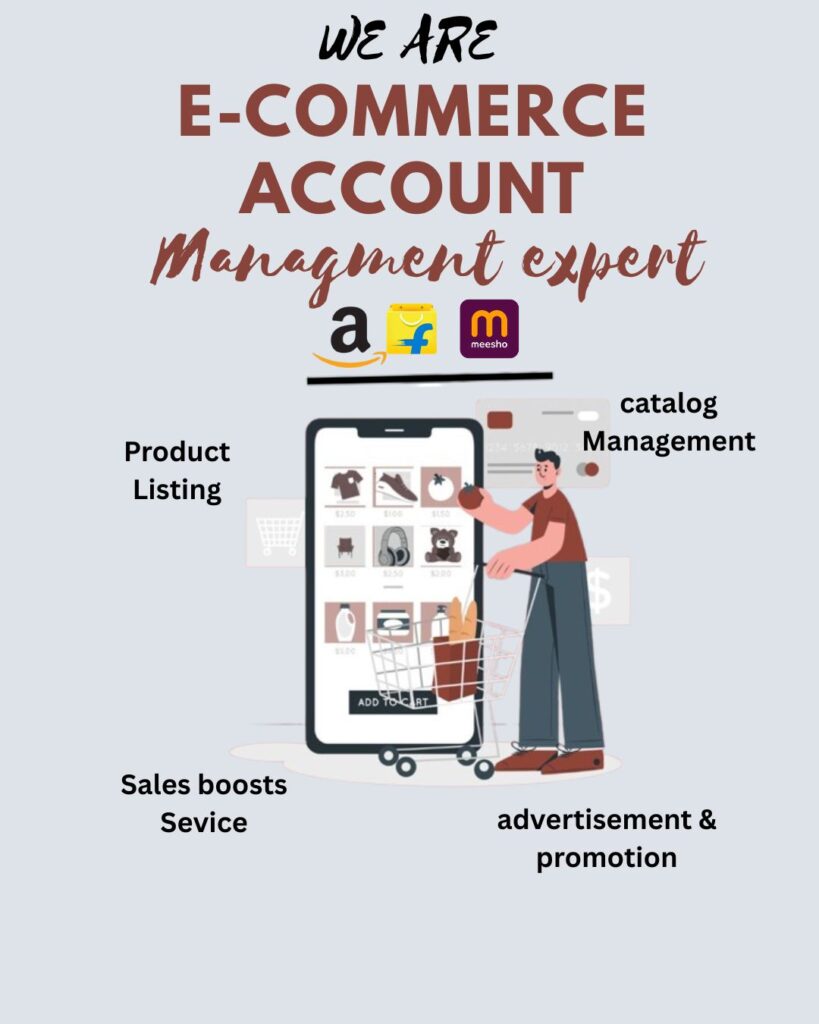
HOW TO START E-COMMERCE BUISNESS?
Building an E-Commerce venture involves setting up the infrastructure required for sales and marketing.
- Choose a Platform: Set up your digitalstorefront using tools like shopify or woo commerce. After natively, start by listing products on established global market places like Amazon sellers.
- Setup payment getways: Integrate scare digital payment methods accept money online.
- Marketing Strategy: Users on platforms like Reddit agree that driving organic traffic through SEO, Social Media, and paid ads is essential for success.
BENNEFITS
- 24/7 Availability: Customers can browse and purchase items globally at any time without geographic restriction.
- Lower Overhead: Starting an online only business typically avoids the costs associated with physical store fronts like rent and large staffing numbers.
WHAT IS THE 7 PILLARS OF E_COMMERCE
- Product Mannagment
- Website Design& User Experience [UX]
- Digital Marketing
- Payment Processing
- Logistic & Supply chain
- Customer Services
- Data Analytics
WHAT IS E_COMMERCE ?
E-Commerce, or electronic commerce, refers to the buying and selling of goods and services online. It involves a wide range of activities, including, online shopping, electronic payments,
Online auction, and internet banking, E-commerce has become increasingly popular in recent years, with the growth of the internet and the increasing prevalence of mobile devices. Buisness of all sizes can benefits from E-commerce, as it provides them with a convenient way to shop and compare prices from the comfort of their own homes,
E-commerce can take many forms, including B2B{business –to-business}, B2C{business-to-consumer}, and C2C{consumer-to-consumer}.
Regardless of they type of e-commerce, the key to success is providing a seamless and secure online shopping experience for consumer.
SEARCH ENGINE OPTIMIZATION
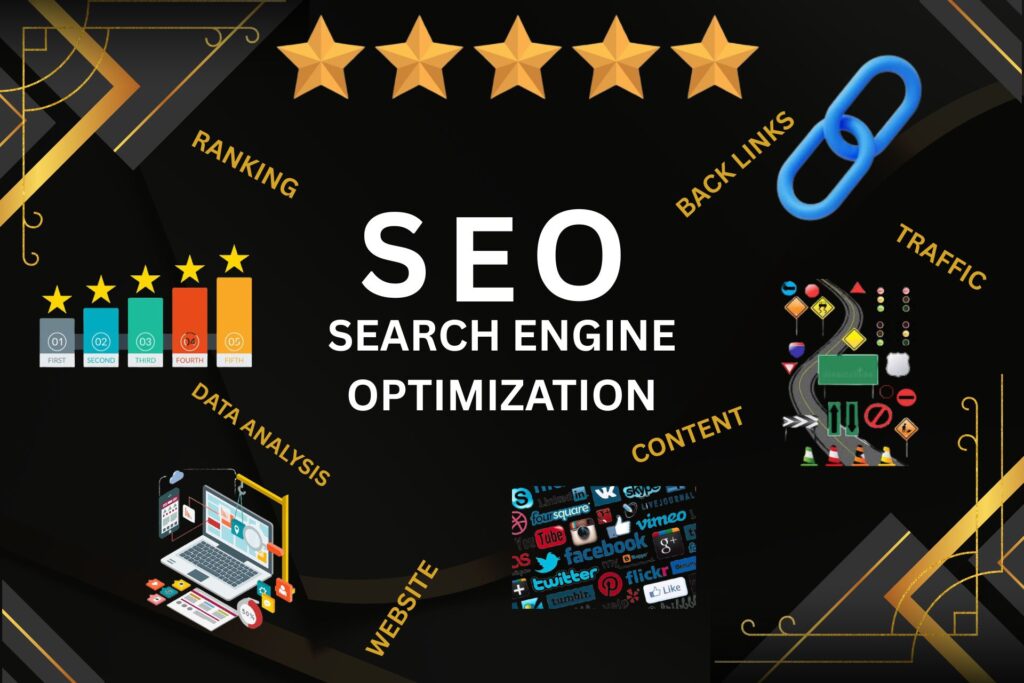
WHAT IS SEO?
SEO, or Search Engine Optimization, is the practice of improving your website to
Increase its visibility on search engine like Google, here’s breakdown of its key components;
KEY COMPONENTS OF SEO;
1. On-Page SEO
Optimizing the elements on individual webpages so search engines understand your context.
- Keyword Optimization: Naturally incorporating search terms into your copy, headings, and URLs.
- Meta Tags: Crafting compelling title tags and meta descriptions to improve click-through rates.
- Site Architecture: Creating descriptive URLs and a clear directory structure for easy navigation.
2. Off-Page SEO
Building your site’s reputation and authority through external signals.
- Backlink Building: Earning high-quality links from reputable, relevant websites to act as “votes of confidence”.
- Brand Mentions & Social Signals: Expanding your online presence across external platforms and AI retrieval sources.
3. Technical SEO
Improving the underlying structure and performance of your website so crawlers can index your site smoothly.
- Mobile Friendliness: Ensuring your design is responsive across all devices.
- Site Speed: Optimizing loading speeds and prioritizing Core Web Vitals (visual stability and interactivity).
- Security & Sitemaps: Using HTTPS and providing XML sitemaps to make crawling easier for search bots.
4. Content
Creating valuable, high-quality information that fulfills user search intent and builds trust.
- Relevance: Researching what your audience searches for and creating content that answers their questions.
- Structure: Using structured data (schema markup) to help AI platforms and search engines easily retrieve your information.
WHY SEO MATTERS?
- INCREASED VISIBILITY : Higher rankings in search result in search results lead to more visibility.
- ORGANIC TRAFFIC: Attracting visitors without paying for ads.
- COST-EFFECTIVENESS: SEO provides long-term benefits compared to paid advertising.
CONTENT MARKETING STRATEGY
Developing a Content Marketing Strategy
A content Marketing Strategy is a plan for building an audience and driving profitable customer action by creating, publishing, and distributing valuable, relevant and consistent content.
Do I need to share our content marketing strategy with other teams/departments in my company?
We’ve found that it’s benefits to give everyone in your organization access to your content marketing strategy even those who may not be directly involved in the content marketing process.
This is particularly critical in large organization, as it can help keep souted team on the same page, minimize, duplicated efforts, and ensure that everyone is working toward the same content goals , but sharing your documented strategy is also good practice of businesses that are just starting out with content marketing, for content teams that rely on interned of external subject matter experts, or for companies, that outsource any part of the content creation and distribution process.
Of course, How your communicate your strategy depends on the structure and culture of your organization. In some cases, it may be appropriate to share your full documentation. In other cases, it may make more sense to create targeted summaries for certain stake-holders {for example, busy executives, or external agencies} based on how your content marketing strategy will impact their particular roles, processes, and objectives.
In shorts consider this: How can Your use the principles of content marketing to “Sell” content marketing throughout your organization?
What do people care about most? This should help you determine which components of your content marketing strategy are most appropriate to share with each them.Developing a Content Marketing Strategy
A content Marketing Strategy is a plan for building an audience and driving profitable customer action by creating, publishing, and distributing valuable, relevant and consistent content.
Digital advertising plan
Crafting a digital advertising plan
Crafting a successful digital advertising plan requires six foundational steps defining clear objectives, researching your audience, setting a budget, selecting optimal platforms, developing and creative, and establishing metrics to measure performance.
- Define smart goals & budget
Start by establishing what you want to achieve before choosing where to advertising.
- OBJECTIVES: Decide if your primary focus is
- BRAND AWARNESS: {impressions}.
- LEAD GENERATION: {from fills emails}or
DIRECT SALES: {purchase}
- BUDGET ALLOCATION; Set a clear monthly or comparing budget and split it appropriately between prospecting [finding new customers] and retargeting converting warm leads.
- Identify your buyer persona
Build hyper- specific profiles to your ideal customers so messaging directly addresses their needs.
- DEMOGRAPHICS: Age, gender, location, and income level.
- PSYCHOGRAPHICS: Pain points, interests, and online behavior
- PLATFORM PERFENCE: Meet them where they already
- Select your advertising channels
- GOOGLE ADS {search & display}: Best for capturing high-interest audience actively searching for your solution.
- META {Facebook & Instagram}: Ideal for demographic – based targeting and retargeting.
- LINKEDIN ADS: Essential for B2B targeting and professional service.
- Creating engaging ad assets
Every platform requires tailored and creative.
- COPY WRITING: Keeps hooks punchy, highlight your unique selling preposition {USP}, and include a clear call to action {CTA}.
- VISUALS: Use high – quality imagery or short-form video. The first 3 seconds are critical for4 stopping the scroll.
- LANDING PAGES: Enscure the pages users land on after clicking matches the ad’s message and is message and is optimized for mobile conversions.
- Measure & Optimize
Digital ADS allow for real-time tracking.
- TRACKING: Set up pixels or tracking tags to accurately measure conversions.
- KPI MONITORING: Track key metrics such as cost per click {CPC}, cost per acquisition {CPA}, and overall return on ADS suspend {ROAS}
- A/B TESTING: Continually test different headlines, visuals, and audience targeting to improve performance over time.
Social Media Strategy
What is the Social Media Strategy?
A social media strategy is a comprehensive blueprint that outlines how a business or individual will use social platforms to achieve specific goals
How to develop Social Media Strategy?
Developing a winning social media strategy involves setting measurable goals, understanding your target audience, and creating tailored content for the right platforms
1. Set SMART Goals
Start by aligning your social media efforts with your broader business objectives. Do not just aim for superficial metrics (like “more followers”). Instead, use the SMART framework (Specific, Measurable, Attainable, Relevant, and Time-bound) to define clear outcomes:
- Brand Awareness: Reach a larger audience and get discovered.
- Lead Generation: Convert followers into email subscribers or customers.
- Sales and Conversions: Track revenue using platform tools or specific UTM links.
- Customer Support: Build community and address concerns proactively.
2. Know Your Target Audience
You cannot create engaging content if you do not know who you are speaking to. Define your buyer personas by looking at your current customers, examining past sales data, and surveying your audience. Figure out:
- Demographics: Age, occupation, location, and income.
- Pain Points: What challenges do they face that your brand can solve?
- Online Behavior: Where do they hang out (e.g., professionals on LinkedIn, younger demographics on TikTok)?
3. Conduct a Social Media Audit
Assess what is currently working and what needs to change by auditing your existing accounts.
- Compile a list of all your active profiles and remove outdated or unauthorized accounts.
- Look at past content and identify which posts generated the most engagement, traffic, or sales.
- Analyze 2 to 3 of your main competitors to see what kind of content they post, their engagement levels, and where they might be leaving gaps.
4. Choose Your Platforms
Do not try to be everywhere at once. Focus on 1 to 3 platforms where your target audience spends most of their time.
- LinkedIn: Best for B2B, professional networking, and long-form thought leadership.
- Instagram & TikTok: Ideal for visual content, short-form video, and engaging a younger demographic.
- YouTube: Acts as the world’s second-largest search engine; great for educational and long-form video content.
5. Develop a Content Strategy
Content should align directly with your goals and audience needs. Avoid bombarding your audience with constant sales pitches by sticking to the 80/20 rule: 80% of your content should educate, entertain, or inspire, while only 20% should be promotional.
- Content Pillars: Pick 3 to 4 core themes per month that reinforce your brand’s expertise.
- Formats: Incorporate a mix of formats like short-form video, carousels, stories, and user-generated content (UGC).
- Content Calendar: Plan and schedule posts in advance using social media management tools to maintain consistency.
6. Measure and Adjust
A great social media strategy is iterative and relies on data. Major platforms provide built-in analytics, and management tools offer comprehensive insights.
- Review metrics such as engagement rate, reach, click-through rate (CTR), and conversion rate monthly.
- Let the data validate your approach; pivot, double-down on high-performing content, or drop what is underperforming
E-MAIL MARKETING
What is email marketing?
According to Wikipedia, email marketing is the act of sending a commercial message, typically to a group of people, using email. In its broadest sense, every email sent to a potential or current customer could be considered email marketing. It involves using email to send advertisements, request business, or solicit sales or donations.
In an era where more users are shopping or going about their daily lives online, email is an important channel that allows you to reach your customers. An increasing number of people are shopping online in Southeast Asia, and email open rates are promising in this region.
According to EC Insider, open rates in Asia are often as high as 26%. However, these can vary according to country. Malaysia, for example, only had an open rate of 16.52%, while Vietnam had a staggeringly high open rate of 45.98% but a click through rate of only 6.38%. Thailand, on the other hand, had a 26.67% open rate and a high click through rate of 10.41%.

What can email marketing do for my business?
Promotional emails are one of the most economical ways for any business to connect with customers. Research shows a message is five times more likely to be seen through email than on social media like Facebook or Twitter. That’s why musicians use email marketing software to share their performance schedule with their fans, non-profits use it to get donations and photographers use it to promote their portrait services. It just works.
To get started, some business owners research email marketing platforms. However, choosing your platform isn’t the only major business decision you have to make.
After all, the soundness of your email marketing strategy is what will ultimately determine whether your efforts are successful. Not the email platform that you’ve picked.
Regardless of whether you’re an email newbie, or whether you already have some experience with email, keep reading to learn five email marketing best practices that can help you grow an engaged subscriber base.
Email marketing tips: 5 best practices to for success
1. Offer lead magnets to incentivise sign-ups
Before you can send any emails, you’re going to need subscribers to send emails to. However, you might not get many subscribers from just adding sign-up forms to your website and social media pages.
As cynical as this may sound, people are typically motivated by self-interest and will ask: “What’s in it for me?” when being asked to do something.
Accordingly, you’ll need to provide users with something of value when trying to attract sign-ups. In other words, use incentives to get them onboard. Here’s a tried-and-tested method of doing so: dangle a “lead magnet”.
This is a free product or service that you give to people in exchange for their email address, such as:
- An ebook explaining a subject in detail
- An exclusive video tutorial
- A printable template
The lead magnets you offer should also be relevant to the context.
For example, if you have a blog post about exercises that you can do from home, then your lead magnet could be a quick checklist of these different exercises.
Offering such tailored lead magnets will help boost sign-ups much more than offering just one generic lead magnet across your entire website.
2. Write an enticing subject lineAs you perfect your emails’ contents, be sure to give some thought to your subject lines as well.
People are often inundated by tons of emails every day. They simply won’t have time to read every single email in detail! Hence, they’ll be looking out for email subject lines that suggest that an email is worth opening and reading.
What this means is that if your emails’ subject lines are vague, boring or confusing, then your recipients may just delete your emails without reading them. Ouch.
To save your emails from such a terrible fate, work on making your subject lines:
- Short: Your subject line should succinctly state what your email is about.
- Attention-grabbing: Writing a subject line that sparks curiosity can entice people to open your email.
- Convey a sense of exclusiveness: People love feeling special, and using words such as “invitation” or “guest” can really catch their attention!
3. Prepare various types of marketing emails
If you thought that email marketing just involves sending occasional emails about exclusive offers and discounts, think again. One of the most important email marketing best practices is to not treat it as purely a sales channel!
For sure, sending promotional emails are an essential part of any email marketing strategy. However, there is a variety of email campaigns you can send to:
- Nurture your subscribers,
- Convert them into loyal customers and even
- Encourage repeat buys!
Here are a few examples of such email campaigns:
- Welcome email sequence: This is an onboarding sequence to welcome new subscribers, and communicate what they can expect from subscribing.
- Thank-you sequence: Has someone bought something from your website? Thank them for their support! You can even include a promotional code for them to use during their next order with you.
- Abandoned cart sequence: Some shoppers may add products to their shopping cart, only to not go through with their order. Try to rescue the sale by reminding them of their cart and offering a discount if they complete their purchase by a certain time.
4.Emails your subscriber regularly
Of all the email marketing best practices out there, this one might often be overlooked.
That’s because if you’re busy, then you might email your subscribers only when you have something you’re dying to share with them.
However, if you don’t email a person frequently enough, then they might not remember that you exist.
As a result, if they happen to need something that you offer, they might approach a competitor instead of your business
5. Do not add people to your email list without their permission
Every person on your email list must have consented to you emailing them. Not only might this be a requirement of your country’s anti-spam laws, but it’s also just the decent thing to do.
After all, would you like it if a random business started emailing you out of the blue, and you have no idea who they are? Probably not.
Accordingly, your sign-up forms and landing pages should state that users agree to receive your emails upon signing up. You don’t need to put such text in a huge font, but it should be clear and prominent enough.
Apart from that, resist the urge to grow your subscriber base by buying random lists of email addresses off the Internet.
For one, some of these email addresses could be spam traps designed to identify senders with illegitimate list-growing practices. Even if they aren’t, though, you can bet that their owners haven’t consented to being added to your email list.
If they decide to mark your email as spam, email providers might then treat all your subsequent emails as such.
The result? Your emails never reach your recipients’ inboxes, rendering your email marketing efforts useless.
Editor’s Note: Want more tips? Head on to this article for more email marketing best practices!
Designing Search Marketing
Search marketing has radically changed in the last few years, But we see that as good news, Today’s it can boost your website’s traffic and victor’s trust while supporting your after digital marketing disciplines as well. Learn the right way to do search engine optimization here.
Why is Search Marketing Important?
The answer is plain. Every age millions of individuals jump on the web to search for a new eatery, a problem they’re seeking to solve, or a stock they’re looking to buy. Wouldn’t you wish your business to resemble in the search results to give them the answer people are searching for?
This is because search marketing is a crucial and significant strategy for all companies who want to expand and grow their businesses.
Now that we understand search marketing is critical for company growth, let’s jump into the two tactics that can increase your appearance on search engines.
Search engines such as Google find natural listings by dragging the internet with spiders that analyse the text on the website, documents, PDFs, and another page. Google also analyses the data in the website’s root code called meta tags, including whether other websites are connecting straight to your website.
What is Search Engine Optimization?
SEO stands for Search Engine Optimization. It is the practice of improving a website’s content, structure, and technical performance so it ranks higher on search engines like Google, Bing, or Yahoo. The goal is to attract more organic (unpaid) traffic
How Search Engine work?
Search engines act as digital librarians. They constantly use automated bots—often called “spiders” or “crawlers”—to explore the web, read pages, and store them in a massive index. When a user types a query, the search engine scans its index and uses complex algorithms to present the most relevant and helpful results in seconds
The 3 main pillars of SEO>
On-Page SEO (Content): Optimizing the words, images, and layout of a webpage. This involves researching keywords that your audience is searching for and using them naturally, and ensuring the content perfectly satisfies user intent.
Technical SEO (The Foundation): Improving the backend structure of a website. This ensures search engines can easily crawl your site, pages load quickly, and it works perfectly on mobile devices.
Off-Page SEO (Authority): Building trust across the internet. This usually involves earning backlinks (links pointing to your site from other reputable websites), which act as digital “votes of confidence.
Applying Website Analytics to your Digital Marketing
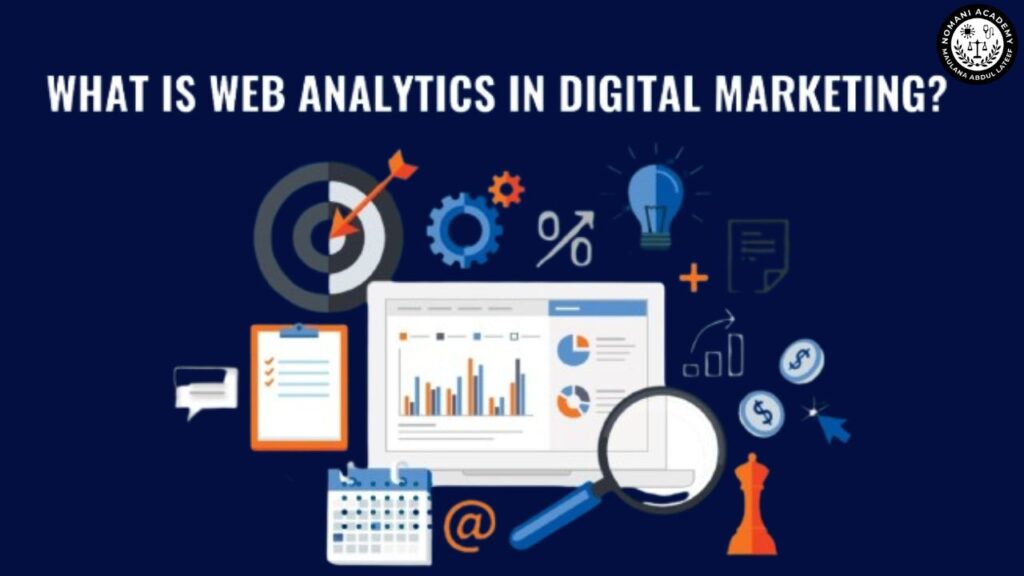
Web Analytics in Digital Marketing: A Complete Guide
Web analytics in digital marketing is what separates brands that know what is working from brands that are guessing. Every click, every page visit, every form submission, and every exit leaves a data trail. The question is whether your team knows how to read it and act on it before the budget runs out.
Most businesses have access to analytics data. Far fewer use it well. A Google Analytics dashboard sitting open in a tab that nobody checks is not web analytics. Actual web analytics for digital marketing means building decisions around what the data shows, adjusting campaigns based on user behaviour, and treating every marketing channel as a source of measurable evidence rather than activity for its own sake.
What is Web Analytics in Digital Marketing?
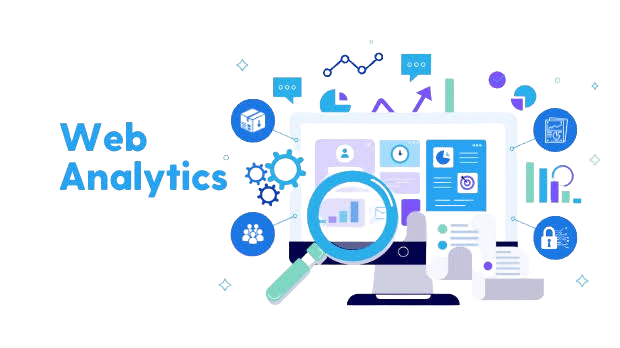
Web analytics in digital marketing means collecting and analysing data about how people find and use a website, then using that data to make better marketing decisions.
It goes well beyond counting visits. A proper digital web analytics setup tracks where traffic is coming from, which pages users land on, where they drop off, which actions they complete, and how different audience segments behave differently on the same site. The point is not the data itself. The point is the decisions the data makes possible.
Why Web Analytics is Important For Business?
A business spending money on Google Ads without checking post-click behaviour in analytics is paying for clicks with no idea whether those clicks are becoming customers. A content team publishing three blogs a week without looking at organic traffic data has no way of knowing if any of those posts are actually ranking or bringing in the right people.
The importance of web analytics in digital marketing is straightforward: it connects marketing spend to marketing outcomes. Which channel brings converting traffic. Which landing page is leaking leads. Which audience segment has the highest lifetime value. None of those questions have reliable answers without analytics data behind them.
In 2026, marketing budgets are tighter than they were two years ago across most sectors in India. The teams that can show exactly what their campaigns produced are the ones that keep their budgets. The ones that cannot tend to find out the hard way.
Best Practice For Effective Web Analytics
Having the right tools and data means nothing if the way you use them is sloppy. These four practices separate teams that actually improve from teams that just collect numbers and do nothing with them.
Setting Clear Goals
Before touching any platform, decide what the website is supposed to make visitors do. Every analytics setup should have those goals configured as conversion events so the platform knows what success looks like and can report on it directly.
Tracking the Right KPIs
Five to eight metrics that directly reflect business performance are more useful than forty metrics that cover everything. Identify what matters for your specific business model and build reporting around those. Everything else is noise until it becomes relevant.
Regular Performance Reviews
Weekly reviews catch problems fast. Monthly reviews track trends. Quarterly reviews feed strategy. Teams that only open analytics when something seems wrong are always behind the problem rather than ahead of it.
Data-Driven Optimisation
Every change to a page or campaign should be informed by data and tested properly before rolling out. A gut feeling is a starting hypothesis, not a conclusion. A/B testing with proper sample sizes before committing to changes is what separates teams that improve consistently from those that just change things and hope.
Leveraging Conversion Rate Optimization to Drive Growth
What is conversion Rate {CRO}?
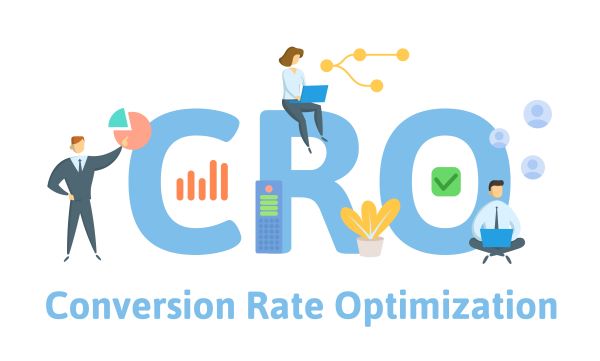
Conversion Rate Optimization (CRO) is a structured and systematic approach to improving the performance of a website or app, with the goal of increasing the percentage of visitors who take a specific, desired action. This action, known as a “conversion,” can vary depending on the business goals. Examples of conversions include making a purchase, signing up for a newsletter, requesting a quote, downloading a resource, or creating an account.
The core idea behind CRO is to understand why visitors aren’t converting and then to address those barriers through testing and optimization. This involves analyzing user behavior, identifying pain points, and then making data-driven changes to improve the user experience and persuade more visitors to take the desired action. CRO is not a one-time activity but a continuous process of analysis, testing, and refinement.
What is Conversion Rate Optimization in Digital Marketing?
RO in digital marketing boosts the rate of visitors who buy, sign up, or fill out forms. It tracks how users behave on sites and tries changes to improve their experience. Testing new elements helps find what works best. Some updates get more clicks.
Key Takeaways
- Conversion Rate Optimization (CRO) focuses on increase the percentage of website visitors who complete a desired action.
- CRO helps businesses gain valuable insights into their customers’ behavior and preferences.
- Implementing CRO strategies can lead to a better user experience UX, which can increase conversions drive and improve customer satisfaction.
- CRO helps in optimise landing pages and other key website elements to improve performance.
- CRO maximises ROI on existing marketing efforts by increasing the effectiveness of website traffic.
- CRO is a data-driven process that relies on user behaviour analysis and A/B testing to make informed decisions.
Benefits of CRO
Conversion Rate Optimization offers a multitude of advantages for businesses that extend beyond simply increasing sales. It can lead to a better understanding of customers, improved user experience, and a more efficient and effective online presence
1. Understand Your Visitors (and Customers) Better
One of the most valuable benefits of CRO is that it allows you to understand customer behaviour and preferences more deeply. By analyzing how users interact with your website, you can identify pain points, understand their motivations, and tailor your website to better meet their needs.
This understanding is achieved through various methods, including:
- Website Analytics: Tools like Google Analytics provide data on traffic sources, page views, bounce rates, and conversion paths.
- User Behaviour Analysis: Techniques such as heatmaps, session recordings (Hotjar, Crazy Egg), and eye tracking reveal how users navigate and interact with your website.
- Customer Journey Analysis: Mapping the customer journey helps identify where users are dropping off and what obstacles they are facing.
- Customer Segmentation: Dividing your audience into segments based on demographics, behavior, and preferences allows you to personalize the experience for each group.
By leveraging these insights, you can make informed decisions about website design, content, and functionality, leading to a more user-friendly and effective website.
2. Deliver a Better User Experience
A direct result of understanding your visitors better is the ability to deliver a better user experience UX. When you know what your users are looking for and how they interact with your website, you can make changes that make it easier for them to find what they need and complete their desired actions.
This can involve:
- Simplifying navigation and improving website structure.
- Optimizing page load speed.
- Making content more readable and engaging.
- Improving the design and layout of key pages.
- Ensuring mobile optimization for users on smartphones and tablets.
- Personalizing the experience based on user preferences and behavior.
A positive user experience not only leads to higher conversion rates but also increases customer satisfaction and loyalty.
3. Create a Culture of Data-Driven Decision-Making
CRO promotes a culture of data-driven optimization within an organization. Instead of relying on gut feelings or assumptions, CRO encourages businesses to make decisions based on data and evidence.
This involves:
- Setting clear goals and metrics.
- Collecting and analyzing data from various sources.
- Formulating hypotheses based on data insights.
- Testing those hypotheses through A/B testing and multivariate testing.
- Measuring the results and making adjustments based on the data.
By adopting a data-driven approach, businesses can make more informed decisions, reduce risk, and continuously improve their website performance.
4. Lower Your Acquisition Costs and Get Higher ROI from All Marketing Efforts
One of the most significant financial benefits of CRO is that it can significantly lower your customer acquisition cost. By increasing the percentage of visitors who convert, you can generate more leads and sales from the same amount of traffic.
This means that you can:
- Reduce your spending on paid advertising.
- Get more value from your existing digital marketing efforts.
- Improve the overall ROI of your marketing campaigns.
CRO allows you to make the most of the traffic you already have, rather than constantly chasing new visitors. This is a more sustainable and cost-effective approach to growing your business.
5. Improve Your Average Order Value (AOV) and Customer Lifetime Value (CLV)
CRO isn’t just about getting more people to convert; it’s also about increasing the value of each conversion. By optimizing your website and sales funnel, you can encourage customers to spend more money and become repeat buyers, thus boosting customer lifetime value (CLV).
This can be achieved through:
- Upselling and cross-selling relevant products or services.
- Offering discounts or incentives for larger orders.
- Personalizing product recommendations based on customer preferences.
- Improving the post-purchase experience to encourage repeat business.
By focusing on increasing average order value (AOV) and CLV, you can significantly increase your overall revenue and profitability.
6. Improve Your Content and SEO Rankings
While CRO is primarily focused on improving conversion rates, it can also have a positive impact on your SEO rankings. Search engines like Google favor websites that provide a good user experience, and CRO can help you achieve that.
By improving website engagement metrics such as:
- Reducing bounce rate.
- Increasing time on site.
- Improving page views per session.
You can signal to search engines that your website is valuable and relevant to users, leading to higher rankings and more organic traffic. Furthermore, CRO techniques like landing page optimization can improve the relevance and targeting of your content, further boosting your SEO performance.
Methods Of Well Exibute Conversion Trade
Optimization

What is Trade Optimization?
Trade promotion optimisation, or TPO, is a data-driven approach that uses advanced analytics and consumer goods technology to optimise trade promotion budget and activities.
To optimize your B2B communications or CPG trade promotions, shift from manual guesswork to AI-driven, data-backed frameworks. By aligning your messaging and trade spend with real-time performance data, you can significantly cut leakage and drive conversion rates at a glance.
A structured, scannable approach involves implementing these core optimization strategies:

🚀 1. Conversational Optimization (B2B/Marketing)
- Diagnose Before Pitching: Understand buyer pain points to deliver relevant, personalized solutions rather than generic messaging.
- Streamline Touchpoints: Minimize complexity in the customer journey so prospects can easily connect and make confident decisions.
- Leverage Existing Buyers: Equip current customers with impressive, shareable formats (like personalized videos) to naturally generate highly converting inbound traffic.
💰 2. Trade Promotion Optimization (TPO for CPG)
- Analyze Past Data: Use machine learning to evaluate historical promotions, identifying which specific discounts or displays actually drove meaningful off-take.
- Automate and Predict: Leverage AI tools to forecast promotion demand, helping demand planners get the right products to the right locations at the optimal time.
- Maximize ROI: Eliminate ineffective promotions to preserve margins and free up budget for proven, high-performing strategies.
To provide you with more tailored information, let me know which of these areas best fits your goals:
If you want to move forward, tell me:
- Are you focused on Consumer Packaged Goods (CPG), or B2B conversational marketing/sales?
- Do you have access to historical sales data or customer chat logs, or are you building this strategy from scratch?
Reason Of Using Email Marketing
What is Email Marketing?
Thanks to email marketing automation, your customers can be informed about your latest products and campaigns. Email marketing for businesses helps a company in boosting sales, increase brand awareness, and develop relationships with prospective clients and current customers. Using email marketing for businesses can be a great way to understand your clients better and promote specific products in services in a unique way.
Reason Of Uses Email Marketing>
Email marketing is a highly effective, cost-efficient strategy that gives businesses direct ownership of their audience. It drives strong conversions, builds long-term customer loyalty, and delivers high returns on investment without relying on changing social media algorithms
Parts Of using Email Marketing
What are the 4 Pillars of Email Marketing?
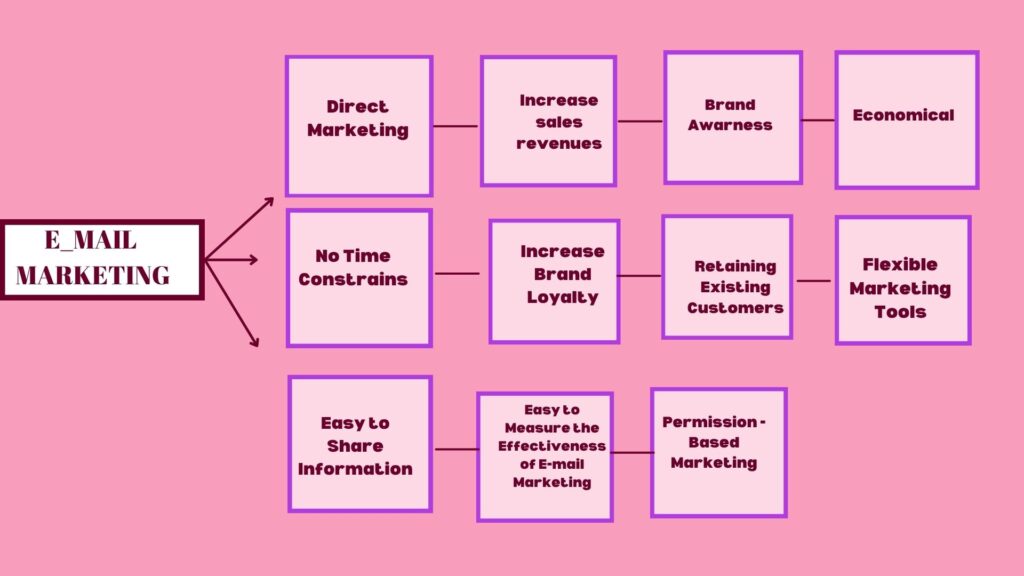
The 4 Pillars Explained
- Product: What you are actually selling, including its design, features, quality, and branding. A successful product solves a specific customer problem or fulfills a distinct desire
- Price: The monetary value assigned to your product. This takes into account production costs, competitor pricing, market demand, and the customer’s perceived value of your offer.
- Place: How and where your product is distributed and sold. Whether through a physical storefront, a mobile app, or e-commerce websites, the goal is to make purchasing as convenient as possible for the target audience
- Promotion: The communication strategies used to reach your audience and build awareness. This encompasses advertising, public relations, content marketing, and sales campaigns
Advantages and Disadvantages of Digital Marketing
Defining Digital Marketing In Brief
Digital marketing, also known in a simpler term as Online marketing, is a term that encompasses various verticles of marketing over the internet. It is any form of marketing measurable by marketing experts and businesses that leverage electronic devices and the internet for selling, ads, and promotional messages are all included in the digital marketing platform. Hence it is an umbrella term that encompasses spectrums of marketing strategies, including search engine marketing, online video, paid social ads, display ads, social media posts, etc.
Highlighting the Advantages of Digital Marketing
Brand Building
The voice and message of the brand must be established in the market in order for the brand to have a larger reach and to be seen as a reliable name. A
business goes beyond its brand name and the products of the company. The key benefit of digital marketing is the ability to develop a brand through targeted campaigns and personalized content with the goal of bringing customers much closer and allowing them to personally experience the company’s value and unique selling point.
Personalization
Campaigns for digital marketing leverage personalization. Finding the target audience, interacting with prospective customers, and knowing precisely what they want are indispensable benefits of digital marketing. Understanding the audience and engaging with them is critical for building a business’s brand loyalty and reputation.
Digital marketing provides businesses with a platform for one-to-one marketing or individual marketing, which will help the brand stand out from the competition by creating content or advertising that gives consumers the impression that the brand caters to their requirements and choices of products or services. Owing to how brands take into consideration of their customers’ thoughts and opinions, these customers have a positive perception of the brand and company.
Greater Extend or Expanse
Digital Marketing enables brands to have expansive audience engagement and enhance their visibility. This worldwide display that digital marketing offers to brands allows for businesses or brands becoming global. This enables even novices and start-up businesses to compete with older, well-established companies that control the traditional market on an equal basis.
Availability or Accessibility
One of the best advantages of digital marketing is how it makes the business far more approachable to the customers. This is owing to the fact that the current consumers of a particular brand, for instance, might want to review and share their positive experiences and recommend it to their friends and families. As a result, customers are provided with a platform to write reviews which has been made possible by digital marketing. This opens up the avenues for prospective customers to get more attracted, interested, and curious about the brand’s specialties, services and products available, operating hours, and store location.
Greater Participation
The use of digital marketing is useful because it enables the brand to capture the attention of the client up until the point where the brand has been successful in forging brand loyalty and building a solid reputation. A brand that has carved its niche will survive easier than those that have not established their grounding and popularity. This may be done through digital marketing, which includes regular blog entries, timely social media content, use of customer-engaging posts like surveys, event promotions, and promotional offers.
Lower Cost
This is another super advantage of digital marketing, as organizations can easily use them at a low cost. Expenditure on internet marketing is cost-effective when compared to traditional marketing campaigns. The straightforward digital marketing methodology is easier to use than the complex traditional marketing plan, especially for small businesses with limited advertising funds.
Results that can be monitored
Digital analytical tools and other online metrics make it possible to monitor the marketing campaign’s success in terms of client response. It offers crucial data regarding the level of consumer involvement with and response to your website and advertising.
Increased conversion rates
Through the use of digital marketing, clients may purchase products from your website with just a few clicks, creating a quick and easy connection.
Disadvantages of Digital Marketing
Let us now dig into the disadvantages of digital marketing and how they can be a setback for brands and businesses in the following points.
Skills Requirement
Acquiring the requisite knowledge and expertise on the digital platform is necessary in order to properly carry out marketing initiatives. Given the ongoing advancements in technology, it is essential to stay on top of the most recent tools, platforms, and approaches in order to respond quickly to any changes.
Time Consuming
one of the biggest disadvantages of digital marketing is that it is a time taking effort and procedure. Unorganized tactics and methods can take a lot of time, making it difficult to provide the campaign with the proper amount of time. This will ultimately produce unfavorable outcomes. As a result, it has been advised to concentrate on the strategy that the organization needs the most, then design and filter the material appropriately. To get beyond the potential obstacles, digital marketing tools like HubSpot, Ahrefs, Hootsuite, and Tweetdeck should be employed.
High Competition
Given the current increase in competition, the digital marketing strategy should be carefully planned, stand out, attract attention, and have an influence on the target demographic. Any repetitive or monotonous strategy will quickly push the brand out of the running. Digital marketing initiatives are becoming very competitive, so firms must be attentive to consumer wants and quick to act.
Technology Dependability
Digital marketing is wholly technology-intensive, and it works depending entirely on technology, and the internet is not immune to errors either. At times there might be faults in links like not functioning, not loading landing pages, and failure of page buttons function. Consequently, prospective customers switch to other brands. In order to prevent this, a website test is essential, along with content proofreading and making sure that the campaigns will be effective in the niche that is being targeted.
Feedback and complaints
Digital platforms enable anyone to provide comments or criticism about your goods or services, which can then be seen by your audience on social media platforms and review sites. If you don’t have a solid foundation through brand loyalty and effective customer service, any unfavorable review could have a detrimental effect on a segment of your consumer base. It may be a taxing and difficult job to handle criticisms/negative feedback properly while also racing the competition to maintain the brand’s reputation.
Wider reach leads to bigger competition
The wider audience that business garner at the global level will lead to higher competition and bigger scope for global customers providing feedback and complaints. The mass and wide online accessibility open up the possibility of receiving complaints or negative reviews to be accessible or visible to target consumers. This will adversely affect the brand’s reputation and business growth.
Privacy and Security Concerns
Any brand’s main priority should be security, thus as a digital marketer, you should take website security seriously. It is usually advised to secure the network and network connections by utilizing firewalls and encryption solutions like VPN. Having a good antivirus installed is a strategy. Customer information must be collected lawfully and in compliance with all regulations if it is to be used in digital marketing strategies. Protecting consumer data should be the first priority because it may be compromised during data breaches.
That’s about it on the advantages and disadvantages of digital marketing both discussed at length under separate headings. There is no field or discipline that does not have the challenges of some loopholes or drawbacks. Digital marketing also has its setbacks, however, there is no stopping this advanced platform that has altered the marketing industry altogether.
The current technological era entails businesses in every industry evolving to match the time’s demand and need. Businesses are also compelled to transform operating procedures for higher efficiency and profitability. Digital marketing has surged as the anchor for businesses to thrive in this technologically-driven era by helping reach targeted customers easily without having to pay highly. In fact, this strategy is far more effective and lesser in expenditure, it is now massively adopted by businesses of any scale, small or large.
The digital marketing strategy and the campaign is more successful in reaching a broader audience due to the accessibility of gadgets like smartphones and computers as well as the availability of multiple digital platforms. Utilizing tailored strategies and material geared toward extended customers increases customer engagement and brand loyalty, which in turn boosts sales.
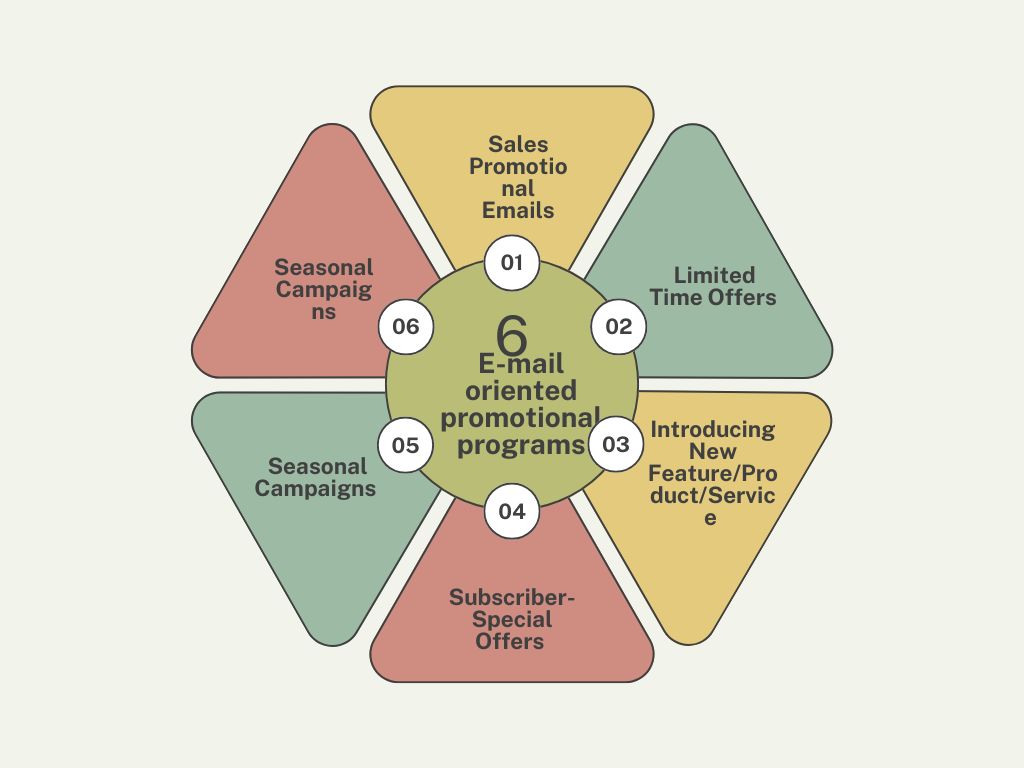
E-Mail oriented promotional programs
Email-oriented promotional programs (or email marketing) are digital direct-marketing strategies used to promote products, build relationships, and drive sales. By utilizing targeted, automated workflows, they allow businesses to share exclusive discounts, new arrivals, and seasonal offers directly with opted-in audiences.
A successful promotional email program relies on a mix of strategic campaign types to keep subscribers engaged and drive conversions. The core foundation typically includes:
Cost-effectiveness
Email marketing is responsible for promoting a brand and increasing sales on a very affordable budget. While traditional marketing campaigns such as direct marketing or print marketing can be costly, email marketing campaigns are often more cost-effective. They reach the right audience faster and more efficiently.
Furthermore, email campaigns don’t take long to produce. If needed, you can produce an email in one day, which is much more cost-effective than the time it takes to produce a direct or print campaign.
Improving sales
We can’t mention enough how email marketing has the power of boosting companies’ sales more than anything else. Over 59% of respondents said that marketing emails influence their purchase decisions. This number is significantly growing since the pandemic definitely changed the shopping behavior of people.
Email marketing campaigns can highlight a product or service, encourage customers to buy after they abandon their cart, or offer your customers special offers.
Improves communication with consumers
Promotional emails play a vital role in improving and maintaining customer relationships. It allows you to reach a large audience and easily communicate with your customers. Plus, these emails will keep your audience informed, regardless of the season, whether it’s off-season or busy. Let them know about new products and make them buy what they want at a lower price. This can help you attract new customers and retain loyal customers who have been buying from your brand.
Improving the relationship with your consumers can also help establish a strong brand image. Make them feel like the brand is genuinely interested in their well-being and wants to give them the best possible service. Building strong relationships is essential if you want to retain more customers — whether you run a subscription-based business or a one-off purchase model.
Types of promotional emails
Promotion emails can take many forms, however, the main goal is always promoting a product or service. In this article, we review some of the different types of promotional emails and gathered many examples that can help make the final decision about the right type of email for your needs.
Limited-time offers
Limited-time offer emails create a sense of urgency. We have all heard about scarcity once in our life, it is one of the biggest influences on purchase decisions. When a product or a discount is only available for a certain amount of time, people show greater interest in the offer and they are more motivated to act fast and buy it.
Countdowns go down, second by second, this is one of the best psychological triggers. When you are planning to run a flash sale keep in mind that your customers are from different time zones. However, you want to give them more time to purchase weekend-long sales don’t always provide the same results as one-day sales.
Sales promotion emails
In a sales email, all you really need is the number of your discount and the product you want to highlight. Using bright colors and images feel like they’re popping right out of the screen just like in this example from Bobbi Brown. Don’t forget to add a small paragraph explaining the offer and lead the subscribers to your website to make a purchase.
Product launch emails
There are different types of product launch emails and each has a distinct purpose. For instance, product release emails, pre-order emails, and future sales emails. However they are different, but all of them have a similar goal to educate the readers about the upcoming product or service you are offering.